Pressure washing is one of the most effective ways to clean exterior surfaces, but it’s
not always the right solution for every part of your home. While high-pressure water can
quickly remove dirt and buildup, it can also cause serious damage if used on the wrong
materials.
Understanding which surfaces should not be Pressure washed can help homeowners
avoid costly repairs and protect their property.
Why High Pressure Can Be Risky
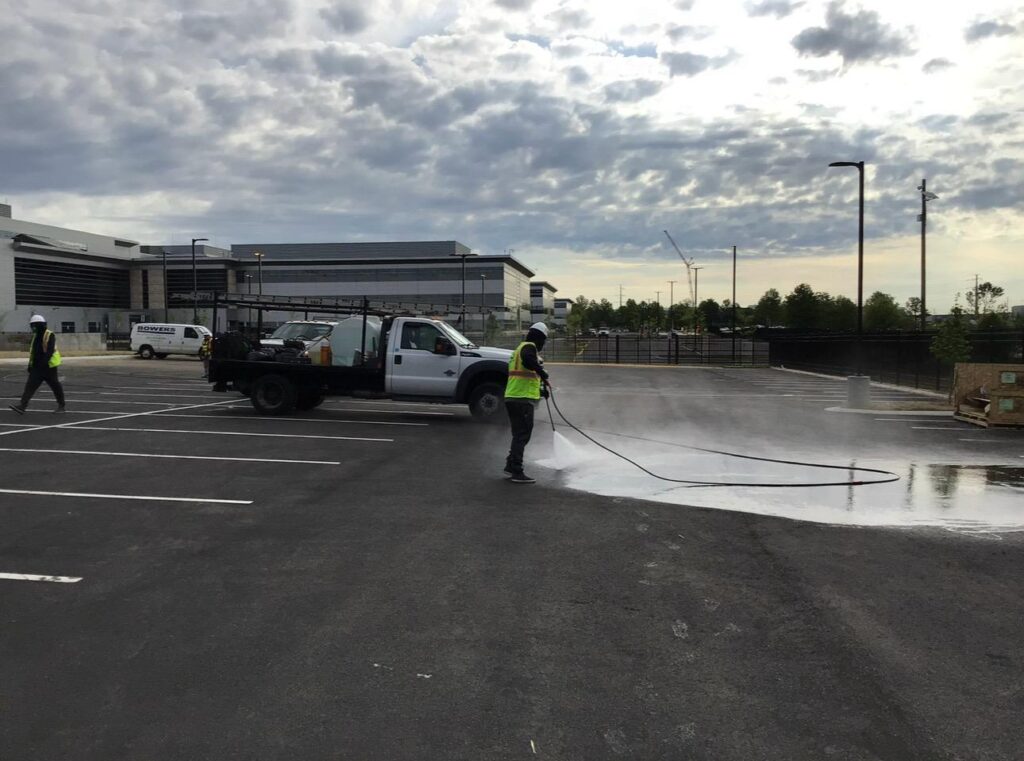
Pressure washers can produce over 3,000 PSI, which is strong enough to strip paint,
damage siding, and force water into areas where it shouldn’t go. While durable surfaces
like concrete can handle that level of force, softer materials are much more vulnerable.
In many cases, using high pressure may make a surface look clean temporarily, but the
damage caused underneath can lead to long-term issues such as moisture intrusion,
cracking, or premature wear.
That’s why professional exterior cleaning companies evaluate surfaces first and choose
the safest cleaning method.
Roof Shingles
Roof shingles should never be Pressure washed. High pressure can loosen granules,
shorten the lifespan of the roof, and even lift shingles. Once shingles are damaged, your
roof becomes more vulnerable to leaks and weather-related wear.
Soft washing is the safer option for roofs because it uses low pressure combined with
cleaning solutions that remove algae and streaking without damaging the material.
Vinyl Siding
Vinyl siding may seem durable, but high pressure can force water behind the panels.
When water gets trapped, it can lead to mold growth, wood rot, and insulation problems.
Soft washing is typically recommended for siding because it safely removes dirt, algae,
and mildew without pushing water into seams.
Painted Surfaces
Pressure washing painted surfaces can strip or chip paint, especially if the paint is
already aging. This often results in uneven patches and may require repainting sooner
than expected.
Using a low-pressure cleaning method helps preserve the finish while still removing
buildup.
Stucco
Stucco is especially sensitive to high pressure. The surface can crack or allow water to
penetrate behind the material. Once moisture gets inside, it can lead to staining,
deterioration, and structural issues.
Soft washing is usually the safest cleaning method for stucco homes.
Windows and Seals
Pressure washing windows is risky because strong water pressure can break seals,
crack glass, or force water into the interior of the home. This can cause fogging
between panes or water damage inside.
Windows are best cleaned using low pressure and appropriate cleaning solutions.
Wood Surfaces
Wood siding, fences, and decks can easily be damaged by high pressure. Too much
force can splinter wood, raise the grain, or leave visible marks.
While wood can sometimes be Pressure washed, it requires careful pressure control
and the correct technique. In many cases, a gentler approach is recommended.
Choosing the Right Cleaning Method
Exterior cleaning isn’t just about removing dirt; it’s about protecting your surfaces at the
same time. Using the wrong method may clean the surface but create bigger problems
later.
Charlotte Exterior Services evaluates each area of your property before starting. Some
surfaces are cleaned using pressure washing, while others are better suited for soft
washing. This approach helps ensure your home is cleaned safely and effectively.
If you’re unsure whether a surface should be Pressure washed, it’s always best to have
it assessed before cleaning.